ADC discovery & positioning
In which indications is my payload / ADC most effective?
How selective is my ADC?
What are the predictive biomarkers of sensitivity / resistance?


In which indications is my payload / ADC most effective?
How selective is my ADC?
What are the predictive biomarkers of sensitivity / resistance?
Which payload pairs are the most synergistic?
Which ADC – small molecule pairs are the most synergistic?
Which genes should I target alongside my drug to improve efficacy?
How translatable are my in vitro ADC efficacy results into PDX models?
What clinically-relevant biomarkers can I identify early to inform patient inclusion/exclusion criteria?
Which genes when inhibited cause disease cell death?
What are the predictive biomarkers of sensitivity / resistance?
In which indications is my target the most effective?
What is the functional impact of inhibiting my gene of interest?
Which new or known drug targets can my target be combined with?
Is this a good target in the background of a treatment e.g, standard-of-care?
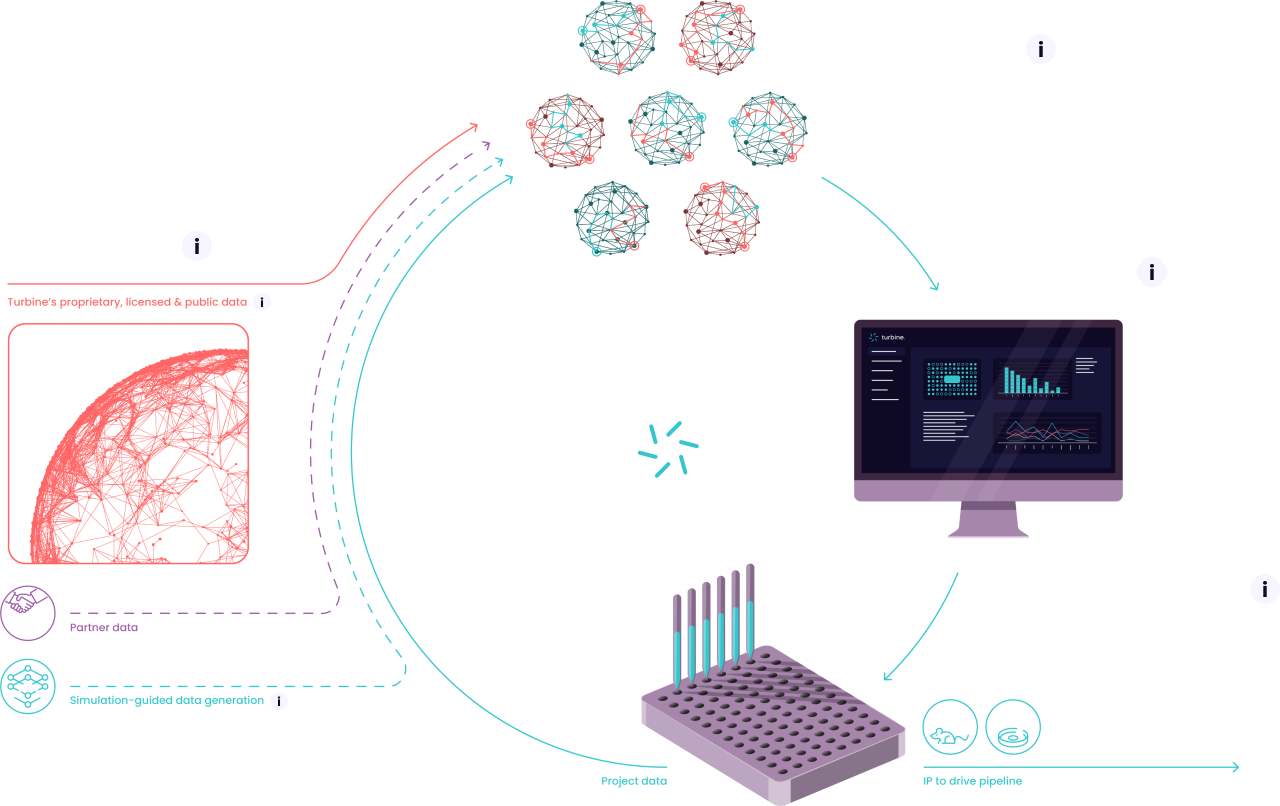

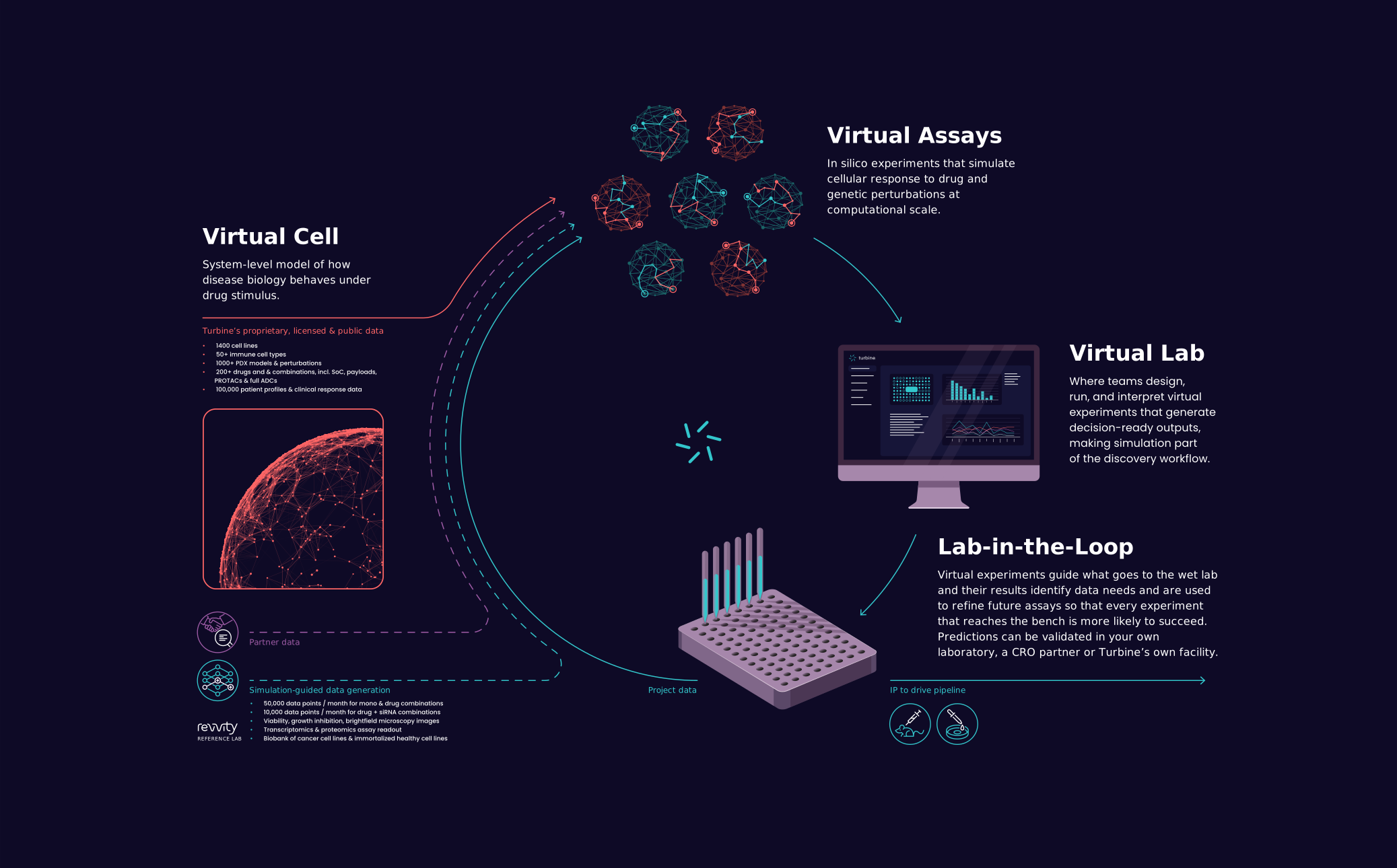
Turbine’s proprietary, licensed & public data

Simulation-guided data generation