
Publications

Integrating Virtual Cell Screening and Automated Validation to Accelerate Dual Payload ADC Design Poster
The ADC field is advancing rapidly, with 17 ADCs approved to date, including 13 by the U.S. FDA, and more than 300 candidates in clinical development. Among these, dual-payload conjugates and other next-generation designs are emerging to address limitations of current ADCs. read more
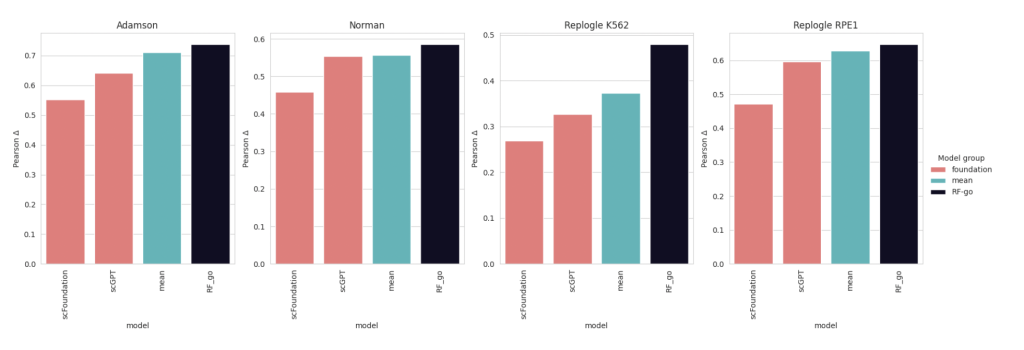
Benchmarking foundation cell models for post-perturbation
RNA-seq prediction Poster
Modeling cellular phenotypes is a fundamental challenge in computational systems biology. Accurately predicting cell fate can advance our understanding of both healthy and diseased states and facilitate the identification of novel therapeutic targets. Post-perturbation transcriptomics data are particularly suited for training computational models because the causal relationship between known perturbations and the… read more
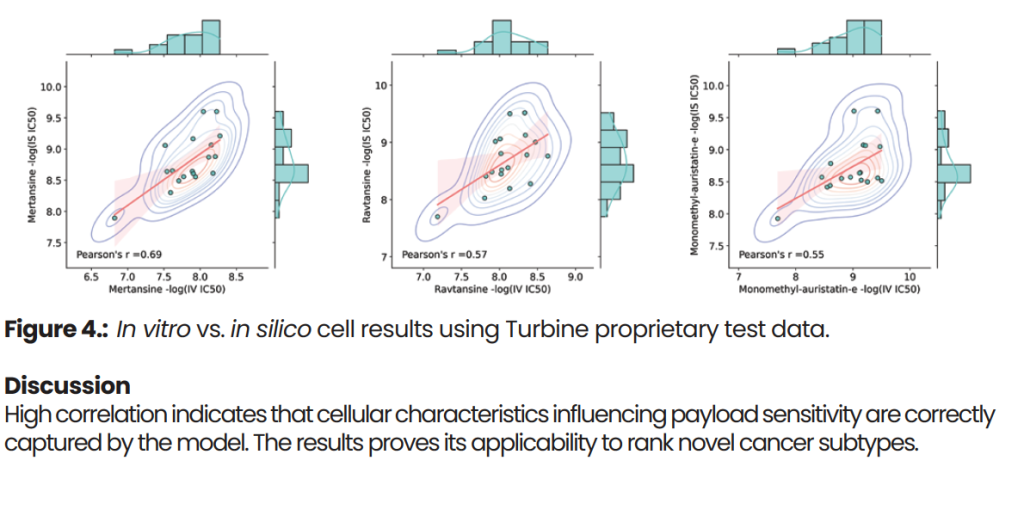
Modeling ADC payload biology using Simulated Cells – Update Poster
ADCs represent a new era of targeted cancer therapy with 15 approved drugs. However, over 100 discontinued ADC programs and a similar number of active clinical trials highlight the difficulties of identifying the optimal combination of antibody, target, payload, linker, drug-antibody ratio and indication. Understanding mechanisms and factors contributing to different levels… read more
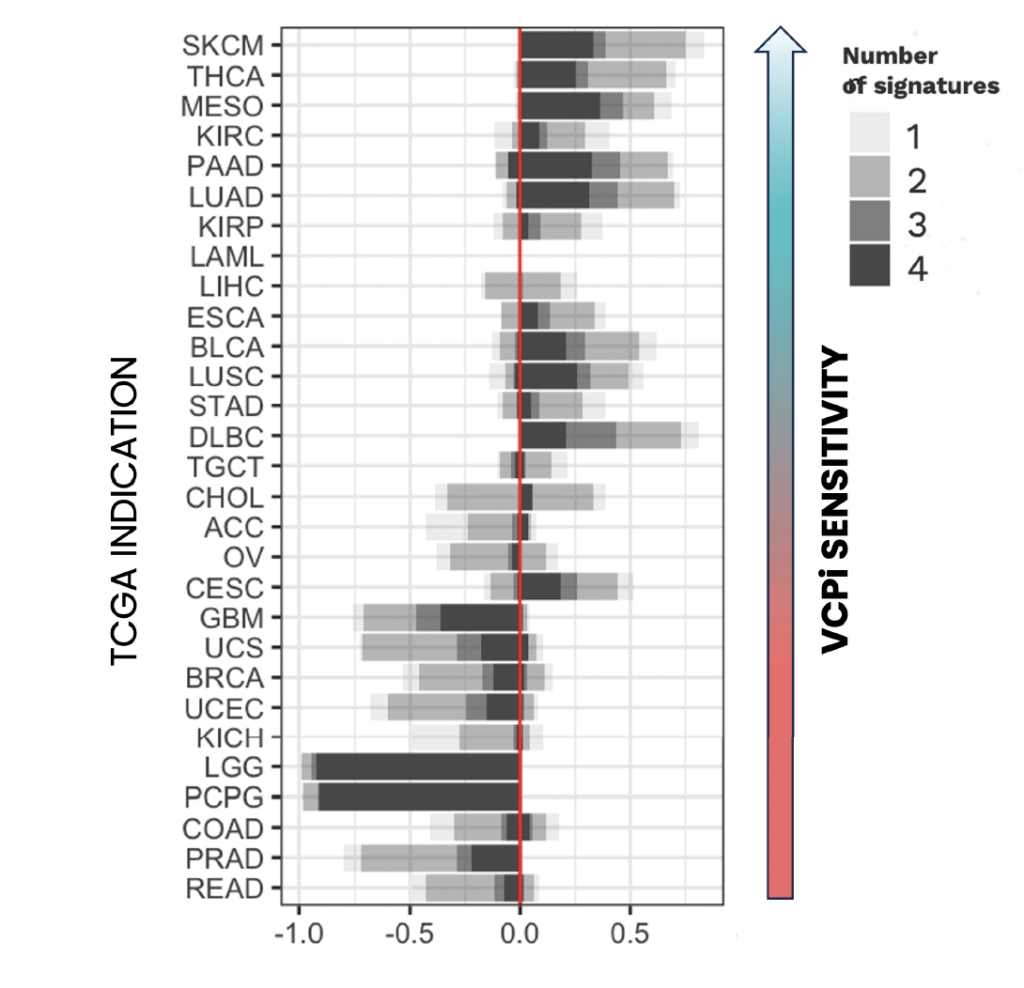
Inhibition of VCP in an in vivo model of metastatic melanoma selected based on a predictive biomarker demonstrates tumor reduction Poster
RAC1 and CDC42 are members of the Rho family of small GTPases that promote cell survival, cell cycle progression, proliferation, migration and invasion, therefore play a key role in anchoring independent growth, cell transformation and metastasis. Targeting RAC proteins and CDC42 holds great anti-tumoral potential. We used the Simulated Cell to perform… read more
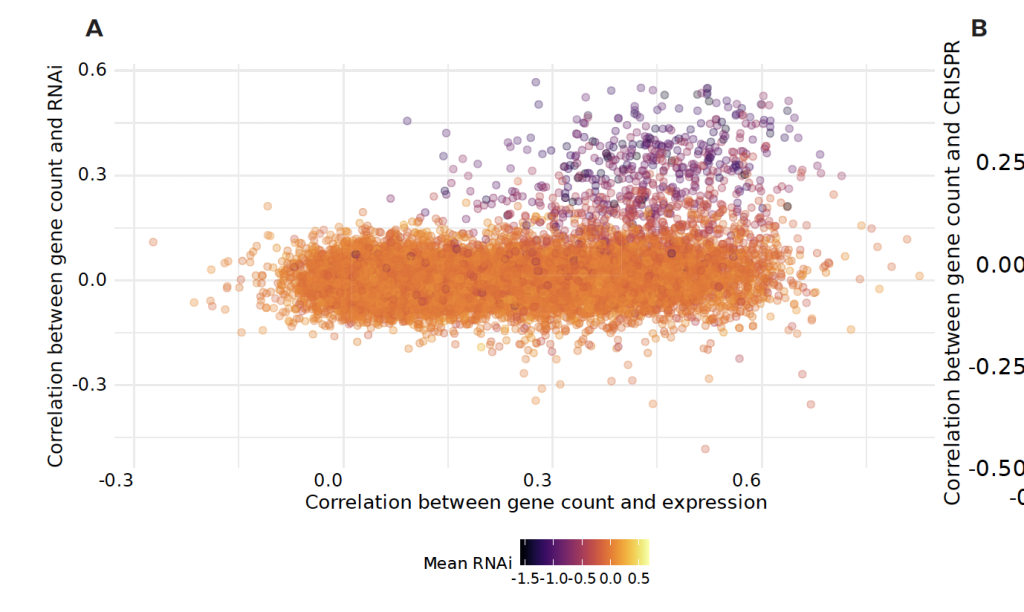
Characterization of chromosomal instability-related dependencies through cell-specific metric for gene dosage compensation potential Poster
Numerical chromosomal instability (n-CIN) is a defining characteristic of most human cancers with serious implications of large-scale alterations of the genome – such as chromosome arm level copy number changes. These kinds of somatic alterations are frequently targeting oncogenes and tumor suppressors, enriched in cancer driver events in order to shape the… read more