Turbine and Daiichi Sankyo Expand ADC Discovery Collaboration
Read more

Publications

Computational modeling of immune cell phenotypes enhances prediction of clinical anti-cancer drug response 
PosterTRAIL

Gema Sanz, Réka Böröcz, Bence Czakó, Gerold Csendes, Csaba Gór, Gábor Kovács, László Mérő, Kristóf Szalay, Dániel Veres, Bence Szalai

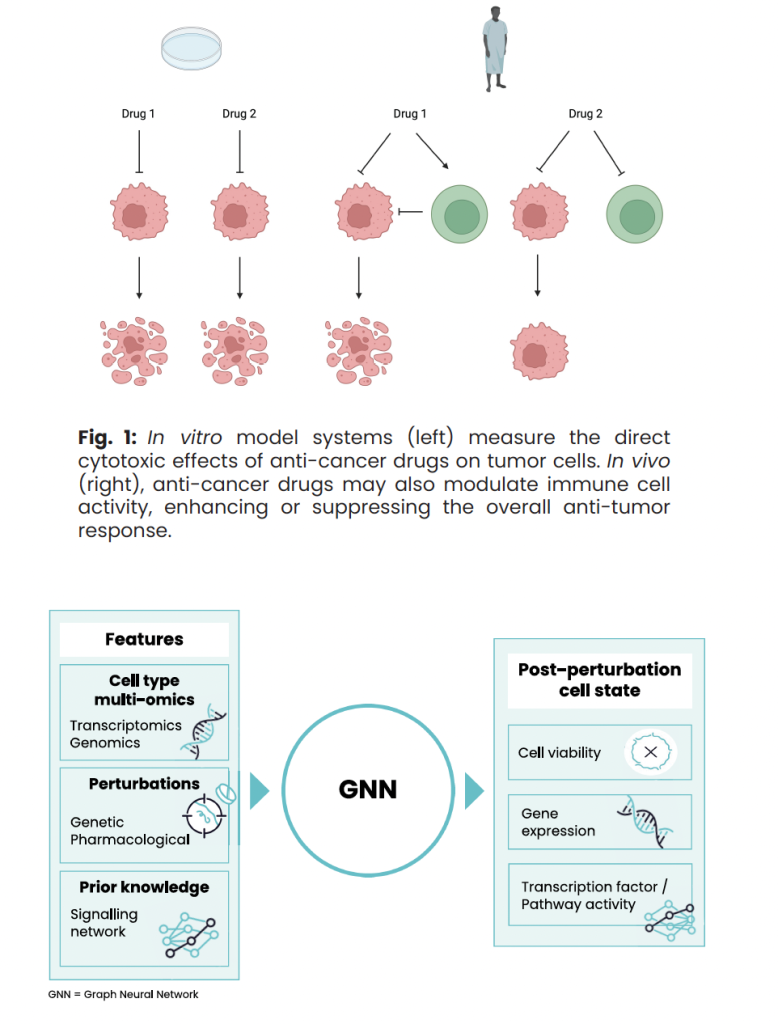
Preclinical cancer model systems, such as large-scale drug screens in cancer cell lines, are pivotal for identifying drug-sensitive indications and biomarkers of drug efficacy. However, these systems often lack the tumor microenvironment’s complexity, including interactions with immune cells, which play a critical role in modulating drug response. Investigating drug-induced effects on immune… read more
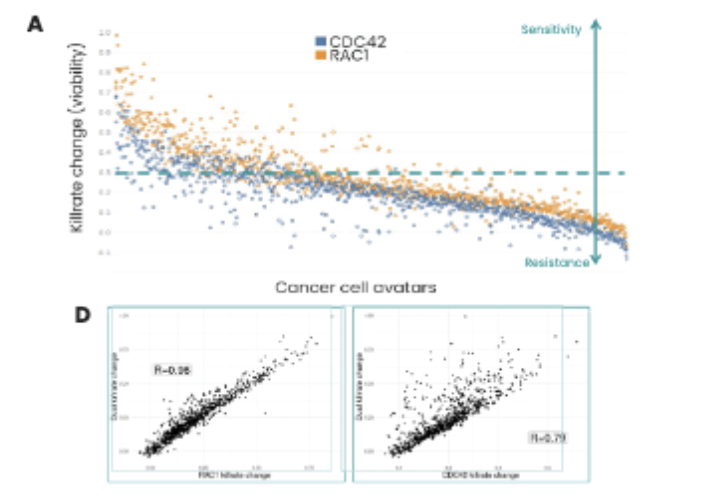
Characterization of the RAC1/CDC42 inhibitor MBQ-167 to assess its utility as a tool for interrogating RHO GTPase biology 
Poster

Szilvia Barsi, Árpad Varga, Csaba Szántai-Kis, Péter Szikora, María Victoria Ruiz-Pérez, Iván Fekete, Imre Gáspár, Csilla Polner-Szundi, Boldizsár Elek, Magdolna Djurec, Nóra Ordasi, István Taisz, Amrik Basran, Dániel Veres

RAC1 and CDC42 are members of the Rho family of small GTPases that promote cell survival, cell cycle progression, proliferation, migration and invasion, therefore play a key role in anchoring independent growth, cell transformation and metastasis. Targeting RAC proteins and CDC42 holds great anti-tumoral potential. We used the Simulated Cell to perform… read more

Benchmarking a foundational cell model for post-perturbation RNAseq prediction 
PublicationTRAIL

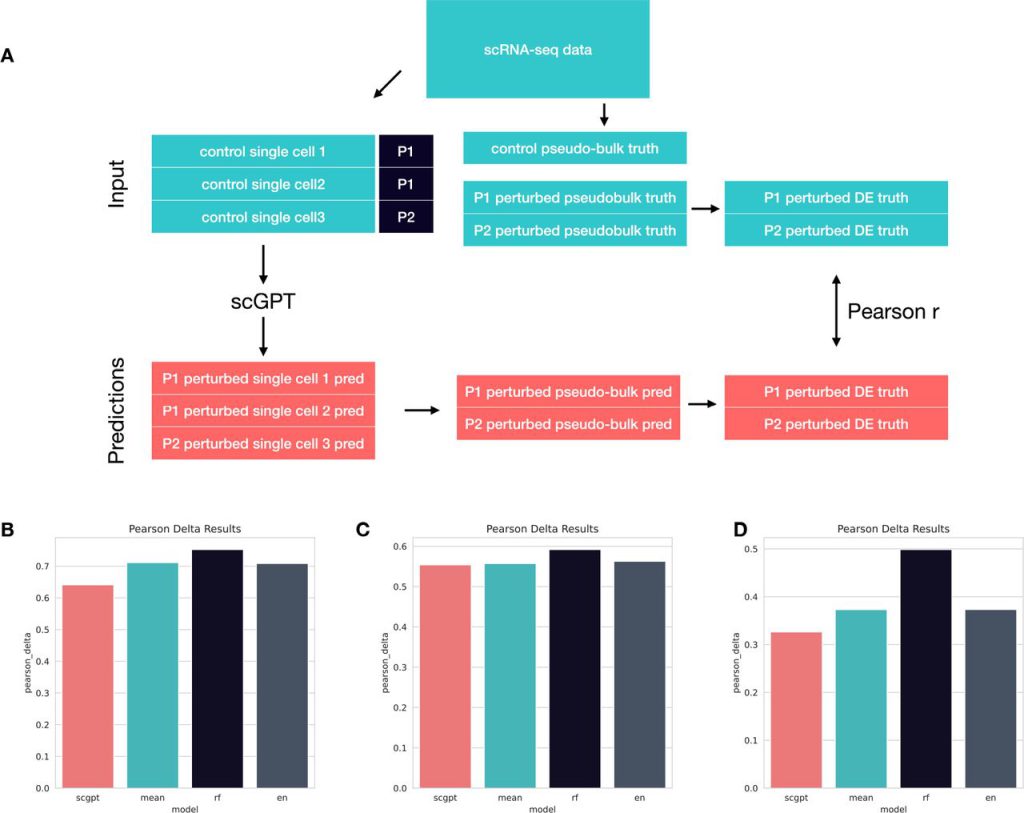
Gerold Csendes, Gema Sanz, Kristóf Z. Szalay, Bence Szalai

Accurately predicting cellular responses to perturbations is essential for understanding cell behavior in both healthy and diseased states. While perturbation data is ideal for building such predictive models, its availability is considerably lower than baseline (non-perturbed) cellular data. To address this limitation, several foundation cell models have been developed using large-scale single-cell… read more

Modeling ADC payload biology using Simulated Cells 
Poster

Ákos Tarcsay, István Taisz, Boldizsár Elek, Gábor Bereczki, Ágoston Mihalik, Bálint Farkas, Dániel Veres

ADCs represent a new era of targeted cancer therapy with 15 approved drugs. However, over 100 discontinued ADC programs and a similar number of active clinical trials highlight the difficulties of identifying the optimal combination of antibody, target, payload, linker, drug-antibody ratio and indication. Understanding mechanisms and factors contributing to different levels… read more

System level network data and models attack cancer drug resistance 
Publication

Márk Kerestély, Dávid Keresztes, Levente Szarka, Borbála M. Kovács, Klára Schulc, Dániel V. Veres, Peter Csermely

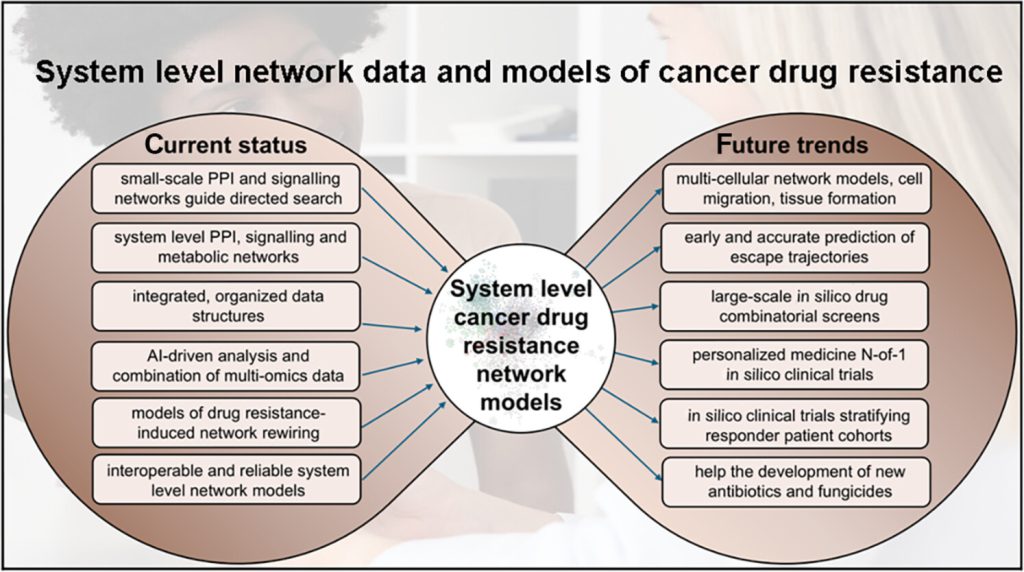
Drug resistance is responsible for >90% of cancer related deaths. Cancer drug resistance is a system level network phenomenon covering the entire cell. Small-scale interactomes and signalling network models of drug resistance guide directed drug development. Recently, proteome-wide human interactome and signalling network data have become available, which have been extended by… read more

Cancer drug resistance as learning of signaling networks 
Poster

Dávid Keresztes, Márk Kerestély, Levente Szarka, Borbála M. Kovács, Klára Schulc, Dániel V. Veres, Peter Csermely

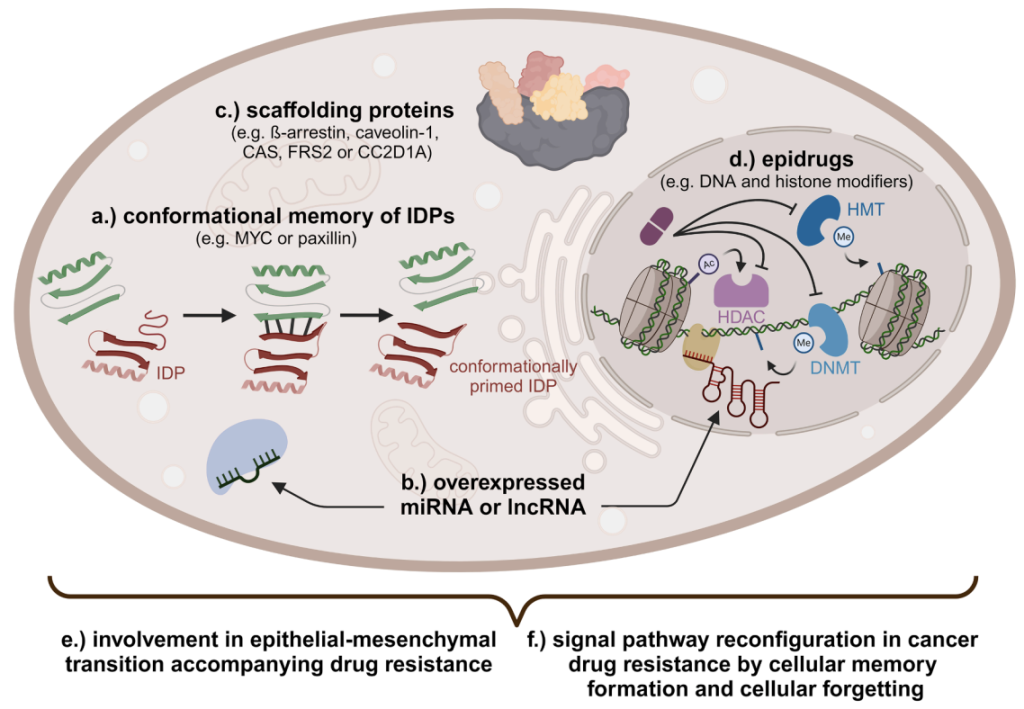
Drug resistance is a major cause of tumor mortality. Signaling networks became useful tools for driving pharmacological interventions against cancer drug resistance. Signaling datasets now cover the entire human cell. Recently, network adaptation became understood as a learning process. We review rapidly increasing evidence showing that the development of cancer drug resistance… read more